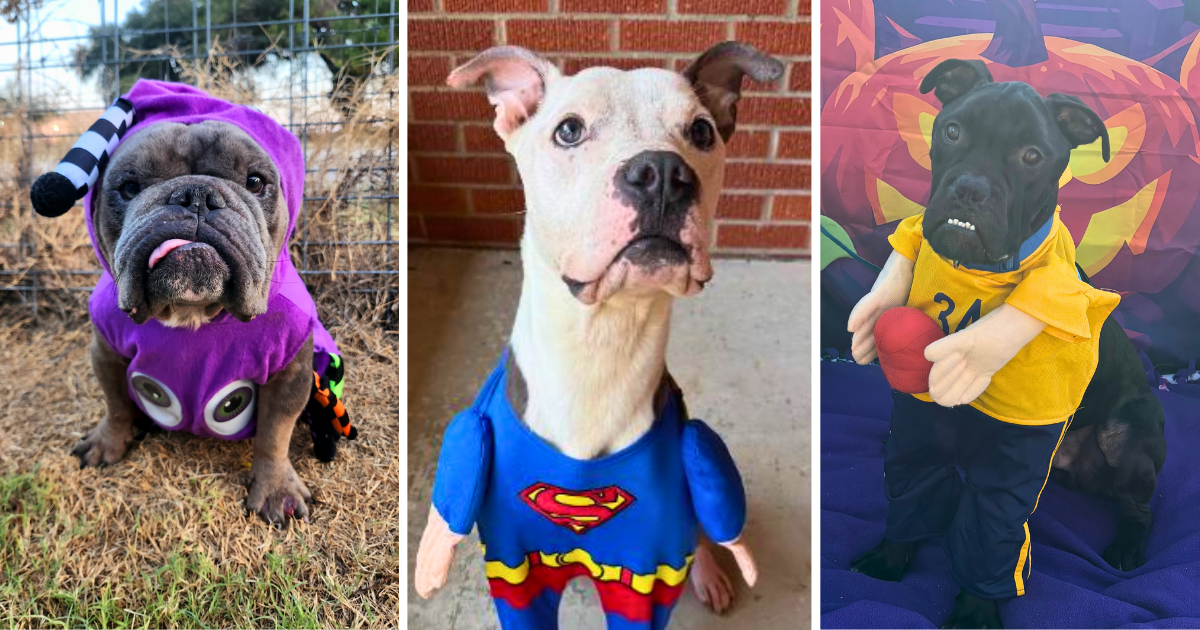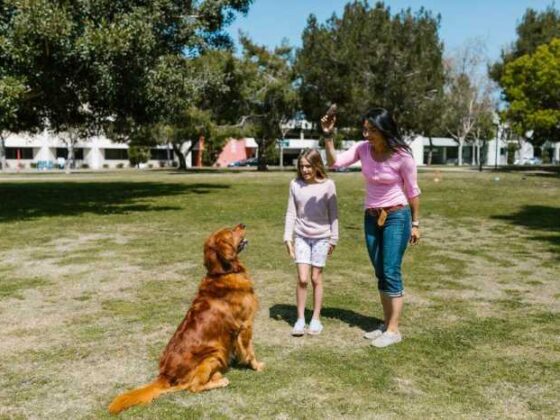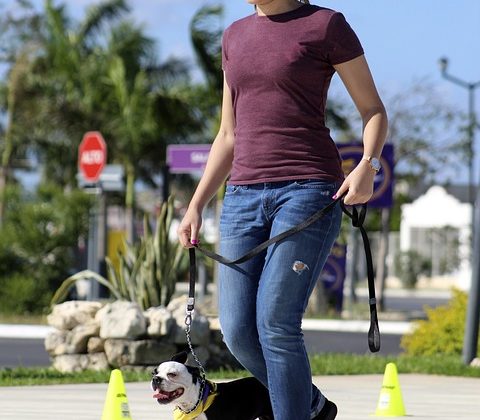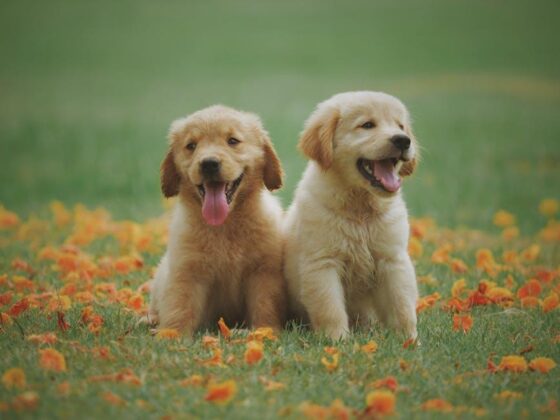

So you’ve got a dog. Congratulations! you’ve also got a tiny, furry chaos agent with a personal mission to test your patience, ignore your commandsand look adorable while doing it. Maybe you’ve already tried the whole “training” thing-standing in the living room saying “sit” like a broken robot while your dog stares at you like you’ve just suggested a group hug. Been there.
Here’s the truth: dog training doesn’t have to be a stress-fest. It doesn’t require a whistle,a clipboard,or the patience of a saint.It requires consistency, treats, a sense of humor, and a plan that won’t make you want to run away to a dog-free island. In this article, we’re going to cover how to train your dog without losing your mind-or your favorite slippers. We’ll keep it practical, low-dramaand maybe even a little fun. Because your dog can learn “stay,” and you can learn to stay calm. Probably.
Keep Training Sessions Short and Sweet Before Anyone Loses Their Cool
Think of each training session as a tiny snack, not a three-course meal. Five to ten minutes is often plenty for your dog to learn something new and still leave wanting more. Short bursts keep attention sharp,make repetition feel easy,and stop “practice” from turning into a battle of wills. If you notice yourself sighing or your dog suddenly finding the floor fascinating, that’s your cue to wrap it up.
- Quit while the tail’s still wagging: end on an easy win, even if it’s just one good “sit.”
- Watch for the “I’m done” signals: yawning, sniffing, scratchingor wandering eyes mean the brain has left the building.
- Reset, don’t push: a rapid break, a drink of wateror a silly play moment can save the whole session.
frustration is contagious, so keep your voice light and your expectations realistic. If your dog starts snatching treats, ignoring cuesor acting like you’ve asked them to solve algebra, stop before the mood goes sour. A happy ending today makes tomorrow’s training something you both actually look forward to.
| Session check | Green light | Time to wrap |
|---|---|---|
| Eyes | Soft and focused | Glazed or darting |
| Ears | Relaxed | Pinned back |
| Treats | Taken gently | Snatched or ignored |
| Tail | Loose wag | Tucked or stiff |
Reward the Behavior You Want and Quietly Ignore the Rest
Think of treats, praise, and toy tosses as your dog’s paycheck-pay for the behavior you’d love to see on repeat. Catch the good stuff early, reward it fastand keep training sessions short enough that nobody needs a snack break (including you). A few everyday wins worth marking:
- Four paws on the floor – treat before the jumping starts.
- A quiet pause – praise the silence before barking gets louder.
- Coming when called - throw a tiny party, not a lecture.
- Gentle toy manners – keep the game going when teeth miss your sleeve.
For the stuff you’d rather not encourage, remove the audience
Set Up a Calm corner Before You add real world Distractions
Before the doorbell, the skateboardor the neighbor’s drama enters the chat, give your dog a tiny sanctuary that screams “nothing to see here.” Pick a quiet spot-a corner, a crate with the door open, a mat by the bookshelf-and make it boring in the best way: soft bedding, a chew toyand a water bowl within reach. the goal isn’t to banish your dog; it’s to build a default chill zone they choose when the world gets loud.
- Anchor the vibe: same spot, same mat, same “settle” cue every time.
- Practice easy wins: reward one paw on the mat, then a full lie-down, then
Know when to Call It a Day and Try Again Tomorrow
Your dog isn’t the only one who can hit a wall. When you notice tightened shoulders,a clenched jaw,or that third sigh in a row,you’re not teaching anymore-you’re just simmering. the same goes for your pup: if they’re turning away,yawning repeatedly,or suddenly “forgetting” a command they nailed five minutes ago,that’s not stubbornness. That’s exhaustion talking. Pushing through only teaches both of you that training feels lousy, which is the opposite of what you want.
- You’re repeating the same cue louder – volume isn’t a training tool.
- Your dog’s tail is tucked or they’re panting for no reason – stress signals, not sass.
- You’ve started negotiating with a creature who eats grass – time to walk away.
Here’s the good news: quitting for the day isn’t losing. It’s strategic retreat. Tomorrow, your patience resets and your dog’s brain gets a fresh start. End every session-even a short one-on a tiny win, like a simple sit or a treat scatter. Then close the training notebook, literally or mentallyand do something mindless together. A sniffy walk or a couch cuddle tells your dog that you’re still teammates, not drill sergeants.Tomorrow you’ll both show up sharperand that’s worth more than one extra rep tonight.
Signal What It Looks Like Your Move Brain drain Dog stares blankly or walks away End with one easy win Human meltdown You’re talking in all caps (inside your head) Drop the leash, grab water Lost the plot Neither of you remembers the goal Try again tomorrow Q&A
Dog Training Q&A: Real Answers for Real Dog Parents
Got questions? same. Here are the answers to the stuff every dog parent wonders-without the judgment or the jargon.
Q: I’ve never trained a dog before.Where do I even start?
Start stupidly simple. Pick one behavior-like “sit” or “look at me”-and practice for 2-3 minutes at a time. Reward what you like, ignore or redirect what you don’t. You’re not building a circus act; you’re building dialog. Short, easy wins beat long, frustrating sessions every time.
Q: My dog ignores me the second there’s a squirrel / leaf / mysterious smell. Is my dog broken?
Nope. Welcome to Dog Brain. Distractions are hardand “come” in the living room is very different from “come” when there’s a squirrel throwing a party. Practice easy stuff at home first, then slowly add distractions. if your dog can’t listen, make the habitat easier-more distance, fewer distractions, better treats. Don’t take it personally. The squirrel is very convincing.
Q: How do I keep from losing my patience during training?
Lower the bar.Seriously. If you feel your jaw clenching, the session is too hard or too long. Take a break, breatheand remember: your dog isn’t giving you a hard time-they’re having a hard time. Also, never train when you’re already annoyed. That’s less “training session” and more “venting with a leash.”
Q: How long should training sessions be?
For most dogs, 3-5 minutes is plenty. Puppies? Even shorter. You can do a few mini-sessions throughout the day. Think of it like brushing teeth, not running a marathon. End while your dog is still winning-and while you still like them.
Q: My dog does great one day and acts like they’ve never heard the word “sit” the next. What gives?
Totally normal.Learning isn’t a straight line; it’s more like a squiggly toddler drawing. Dogs forget, get distracted, have off daysand test boundaries. just go back to easier reps, reward heavilyand don’t throw a dramatic monologue. Consistency wins. Also, check yourself: are you using the same cue, same reward, same vibe?
Q: Treats-how many is too many?
If you’re using tiny treats-pea-sized or smaller-you’re probably fine. You can also use part of your dog’s regular meals for training. The goal is reward, not a second dinner. And yes, “training treats” count toward daily calories. Sorry. The dog isn’t the only one who has to watch their figure.
Q: My dog pulls on the leash like they’re late for a very meaningful sniff. Help?
Start inside or in the yard with zero distractions. Reward your dog for being next to you. Then practice in short bursts outside. If your dog pulls, stop walking. Wait for the leash to slacken, then move forward. boring? Yes. Effective? Also yes. And skip the fancy gadget unless a trainer recommends it-most dogs just need clear feedback and consistency.
Q: What’s the biggest training mistake new dog parents make?
Expecting too much, too fast-and then getting frustrated when the dog doesn’t “get it.” Your dog is not being stubborn.They’re learning a foreign language while also being distracted by every smell on Earth. Keep sessions short, reward generouslyand celebrate tiny progress.Also: don’t repeat a cue 47 times. Say it once, help if needed, reward the win.
Q: What if I mess up?
Congrats,you’re human. Dogs are forgiving.Reset, try againand don’t turn one bad training moment into a whole identity crisis. The goal isn’t perfect-it’s better than yesterday. And if you’re really stuck,hire a positive-reinforcement trainer. That’s not failure; that’s being smart.
Q: Final advice for training without losing my mind?
Keep it short. Keep it fun. Reward what you want. Manage what you don’t. And remember: your dog isn’t plotting against you-they’re just being a dog. Breathe, laughand maybe hide the good treats. You’ve got this.
Key Takeaways
So there you have it: dog training doesn’t have to be a stress-fueled battle of wills. Keep your expectations realistic, your treats handyand your sense of humor fully intact. Some days will be “sit-stay-awesome,” and other days will be “why is my sock in the backyard?” That’s normal. Progress isn’t always pretty-it’s usually a little slobbery and slightly chaotic.Remember, you’re not aiming for a perfectly obedient robot dog; you’re building a relationship with a furry little weirdo who thinks you’re the best thing since peanut butter. Celebrate the small wins,laugh at the messy moments,and don’t be afraid to call in a professional trainer if you need backup. You’ve got this-and hey, if all else fails, at least your dog is cute. Now go grab a treat (for them, not you… okay, maybe both).