

Hey there, fellow pet lovers! 🐾 So, you’ve decided to take your furry (or scaly or feathery) friend on a little adventure? how exciting! Traveling with pets can be one of the most rewarding experiences, creating memories that last a lifetime. But before you pack their favorite toys and head out the door, there’s a crucial step you need to tackle: health certificates. Yep, those fancy docs can be a bit of a hassle, but they’re essential for ensuring your pet’s journey goes off without a hitch. Whether you’re hitting the road or taking to the skies, we’ve got the down-low on everything you need to know about health certificates, so you and your pet can travel stress-free. Grab a snack (maybe a treat for your pup, too!) and let’s dive into this guide to keep your adventure smooth and tail-waggingly fun! 🏖️✈️🐶
Understanding Health Certificates and Why They Matter
When it comes to traveling with your furry companions, health certificates are your golden ticket. These documents, issued by a licensed veterinarian, ensure that your pet is fit for travel and free from contagious diseases.Their significance lies in keeping both your pet and other animals safe during your journey. Many airlines and countries require these certificates as proof of vaccination, particularly against rabies, so having one can save you from potential headaches at the airport or borders. Don’t forget that regulations can vary widely from destination to destination, so it’s crucial to double-check the specific requirements of your travel itinerary!
Besides being a legal necessity, health certificates also function as a safeguard for your pet’s health. They typically include essential details such as:
- Your pet’s identification: Microchip number or distinguishing features
- vaccination history: Dates and types of vaccinations received
- Veterinarian’s signature & stamp: To authenticate the document
Having a health certificate not only provides peace of mind but also serves as a vital record that demonstrates responsible pet ownership.Many pet owners overlook this step, but trust us, it’s a lifesaver when you encounter unexpected requirements during your travels!
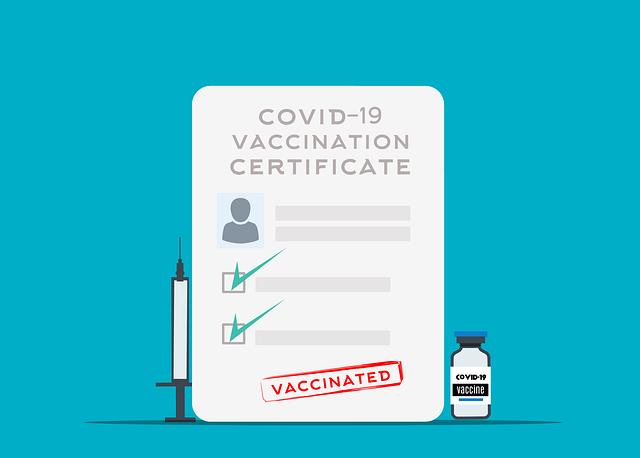
Essential Steps to Securing Pet Health Certificates
When it comes to ensuring your furry friends can travel with you, obtaining a health certificate is a crucial step. First off, it’s essential to schedule a visit to your veterinarian at least a few weeks prior to your departure. This gives your vet enough time to perform any required tests and issue the health certificate. Don’t forget to ask about any specific vaccinations your pet might need, as some states and countries have diffrent requirements. Also, make sure to bring along any relevant documents, like your pet’s vaccination records or previous health certificates, to help expedite the process.
After you’ve secured the health certificate from your vet, you should double-check it for completeness. Look for necessary details such as your pet’s name, breed, and microchip number, along with the vet’s signature and stamp. Each destination may also have unique regulations, so be sure to research the specific health certificate guidelines for the places you’ll be visiting. It can be an excellent idea to check with airlines or border control for any additional paperwork that might be needed on arrival. For an easy reference, here’s a quick checklist:
| Checklist Item | Status |
|---|---|
| Veterinary Appointment Scheduled | ✅ |
| Vaccination Records ready | ✅ |
| Health Certificate Issued | ✅ |
| Destination Regulations Research | ✅ |

Tips for Stress-Free Travel with Your Furry Friends
Traveling with your pets can be a delightful experience, but it requires some planning to keep things smooth and enjoyable. Start by ensuring your furry friends are agreeable in their carriers.Practice short trips before the big adventure to help desensitize them to the new habitat. Make sure their essentials are packed, including food, water, toys, and bedding.Identification tags are a must; consider getting your pet microchipped for an extra layer of safety. Also, research pet-amiable accommodations and transport options ahead of time to avoid surprises that could increase anxiety for you and your pet.
Another key aspect of stress-free travel involves managing your pet’s health needs.Before you embark on your journey, obtain a health certificate from your veterinarian, which is often required for air travel or crossing state lines.This document ensures that your pet is healthy and up-to-date on vaccinations.Here’s a quick checklist to help you through the process:
| checklist item | Details |
|---|---|
| Visit Vet | Schedule a check-up and obtain a health certificate, if needed. |
| Vaccination Records | Ensure all vaccinations are up to date. |
| medications | Pack any necessary medications and a health summary. |
| Travel Gear | Bring a sturdy, comfortable carrier or harness. |
with the right preparations, both you and your pet can hit the road with confidence. Keep an eye on their behavior during travel and offer plenty of breaks and stretch time, ensuring they stay hydrated and fed. This way, you can both enjoy a fun-filled adventure without the stress!
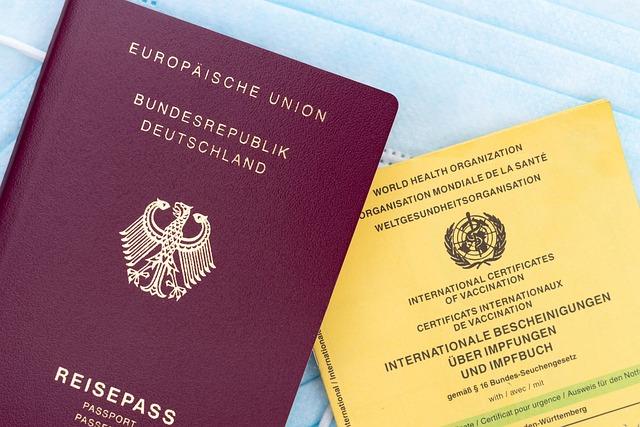
What to Pack alongside Your Health Certificates
When you’re gearing up for a trip with your furry friend, having their health certificates ready is just the tip of the iceberg! Here’s a list of essential items you should pack alongside those crucial documents to ensure a smooth journey for both you and your pet:
- Food and Water: Bring enough of your pet’s usual food to last the entire trip, along with a portable water dish and bottled water to keep them hydrated.
- Leash and Harness: A sturdy leash is a must, and consider a harness for extra safety, especially in unfamiliar environments.
- Travel Crate: If your pet is crate-trained, a comfortable travel crate can provide a familiar and secure space during the journey.
- First Aid Kit: Include basic supplies like bandages, antiseptics, and any prescription medications your pet may need.
- Familiar Comforts: Pack their favorite blanket or toy to help reduce anxiety in new settings.
It’s also wise to have a well-organized travel folder dedicated to your pet’s documents. Here’s a simple table to help you keep everything in order:
| Document | Status |
|---|---|
| Health Certificate | ✅ |
| Vaccination Records | ✅ |
| Microchip Documents | ✅ |
| Pet Insurance Info | ✅ |
Organizing these significant items will not only help you stay stress-free but also ensure your pet has a safe and enjoyable experience while traveling.
Q&A
Q&A: traveling with pets? Here’s Your Guide to Health Certificates!
Q: What exactly is a health certificate for pets?
A: Great question! A health certificate is basically a written statement from a licensed veterinarian that says your pet is healthy and fit for travel.It usually includes details about your pet’s vaccination status and any recent treatments. think of it as a “pet passport” – just as important as those human ones!
Q: Why do I need one?
A: If you’re heading out of state or flying the friendly skies, many airlines and some states require a health certificate to ensure your furry friend isn’t bringing any surprises (like contagious diseases) into their territory.It helps keep all pets safe during travel!
Q: How do I get a health certificate?
A: Simply book an appointment with your vet! They’ll do a check-up to make sure your pet is healthy and up to date on vaccinations. Keep in mind that most places require the certificate to be issued within a certain timeframe before travel (usually within 10 days).So, plan accordingly!
Q: What details will be on the certificate?
A: It’ll include your pet’s name, breed, age, and health status, along with vaccination records. If your pet has any special needs or chronic conditions, those might potentially be noted as well. Basically, it should paint a clear picture of your pet’s health for anyone who asks.
Q: Can I just use my vet’s regular visit notes?
A: Nope! While your vet’s notes are helpful, health certificates need to be on specific paperwork that’s often formatted according to airline or state requirements. So make sure to ask for the official documents!
Q: How much does a health certificate cost?
A: Prices can vary depending on your vet and your location, but they generally range from $30 to $100.A small price to pay for peace of mind and a hassle-free trip with your pet!
Q: Are there any exceptions to needing a health certificate?
A: Some states or airlines may have different policies. for instance, within some states, you might be able to travel without one, especially if it’s a short road trip. But when in doubt, always check ahead of time to avoid any unexpected surprises!
Q: What if my pet has special medical needs?
A: If your pet requires special medication, diets, or treatments, make sure to discuss this with your vet during the health certificate appointment. They can offer advice and guidance on how to travel safely with your pet’s specific needs-as every pet is unique!
Q: Any tips for traveling with my pet besides health certificates?
A: Absolutely! Make sure your pet is comfortable in a crate, bring plenty of their favorite toys, pack food and water, and don’t forget to take regular breaks during road trips. And hey,always have a recent photo of your pet just in case they decide to wander off – we all know how curious they can get!
Q: Were can I find more resources?
A: Your vet is your best friend for this info,but websites like the American Veterinary Medical Association (AVMA) or even your airline’s pet travel page can provide useful guidelines.Plus, tons of pet travel blogs share tips and experiences. you’ve got this!
Feel prepared and excited to hit the road or take to the skies with your furry companion! Safe travels! 🐾✈️
The Way Forward
And there you have it, folks! Traveling with pets can be one of the most rewarding experiences, but ensuring your furry friends are healthy and safe is a top priority. With health certificates in your pocket, you can hit the road (or the skies) without a worry in the world. Just remember to check the specific requirements for your destination, and keep those vet visits on the calendar.
So, pack up those treats, don’t forget the pup’s favorite toy, and get ready for some tail-wagging adventures! Whether you’re heading to a pet-friendly beach, a cozy cabin in the woods, or visiting friends and family, your pets deserve to join in on the fun. Safe travels, and may your journeys be filled with wagging tails and happy purrs! 🐾✈️🐾
Have you traveled with your pet before? Share your stories or tips in the comments-let’s keep this pet-loving community growing!