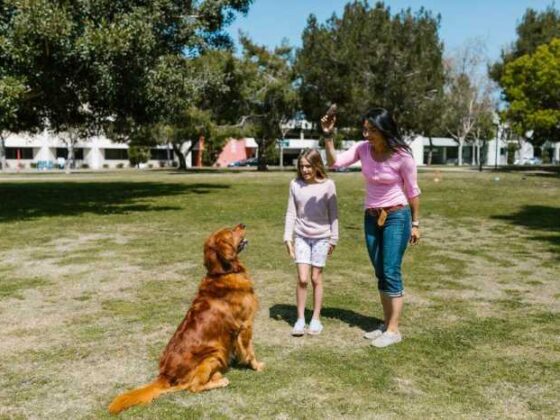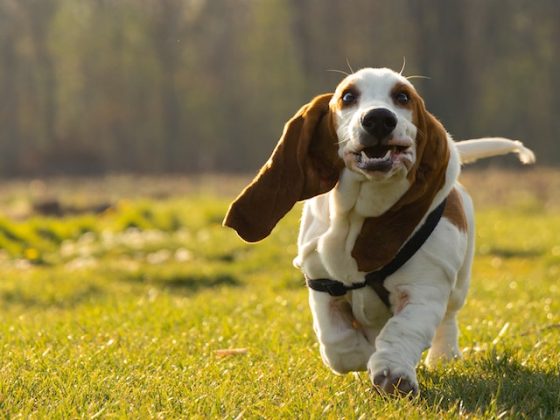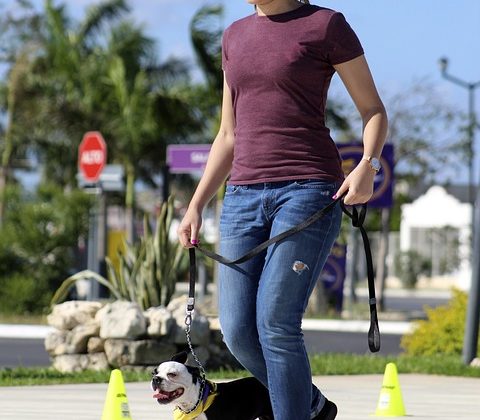

So you’ve got a dog who thinks “sit” is a suggestion,“stay” is a dare,and “come” is purely optional. Been there. The good news? You don’t need a fancy training facility, a rigid scheduleor a dog whisperer-level skill set to turn things around. Welcome to online dog training-where you can work on the basics (and beyond) from your living room, in your pajamas, with your pup right by your side.
It’s easier than you think, fun, and totally doable-even if your dog just stole your sock mid-sentence. In this article, we’ll walk thru how online dog training works, why it’s a great fit for busy pet parentsand how to get started without stress, guessworkor a single treat-induced standoff. ready? let’s train!
Pick an online trainer who actually shows you the how
Don’t just hand over your credit card because someone has a fancy logo. Look for a coach who demonstrates the moves on video,explains why each step matters,and shows what “oops” moments look like,to. Short clips with clear angles beat glossy promos every time-especially when you can see real dogs, real timingand real proof that the method works in a living room, not a perfect studio.
- Show-me videos: quick demos for sit, loose-leash walkingand recall.
- Tiny-step breakdowns: one skill sliced into doable homework.
- Honest troubleshooting: what to do when your dog sniffs,bolts,or stares at you like you’ve lost it.
Also peek at the support around the lessons: can you send a shaky clip and get useful feedbackor are you just watching a library and crossing your fingers? A good virtual trainer makes you feel like someone is in your corner-cheering the wins, fixing the wobbles, and keeping the fun louder than the pressure. If the demos are clear and the feedback feels human, you’re on the right track.
Set up a tiny training zone that makes focus easy
Pick a corner that’s boring on purpose-low traffic, few toys, zero food bowls. A hallway nook, a rug beside your desk, or a patch of kitchen floor works fine. The goal isn’t a fancy studio; it’s a clear visual cue that says “we train here.” Keep the kit simple:
- One mat or towel – the “this spot means focus” marker
- A treat pouch – reachable, but not a self-serve buffet
- Water bowl + chew toy – for quick brain breaks
- Phone stand – if you’re following online lessons
Clear out anything that competes for attention: dangling cables, squeaky toys, kids’ clutter. If your dog keeps drifting, shrink the zone with an ex-pen or baby gate. Short, focused
Use treats and timing like a pro without overdoing it
treats are tiny training rockets-not a meal replacement. Go for pea-sized (or smaller) bites so you can reward often without turning your dog into a furry balloon. Keep a dedicated “training jar” of high-value goodies (plain chicken, freeze-dried liveror soft commercial treats) and subtract those nibbles from dinner. Variety keeps things exciting, but don’t feel pressured to offer a five-star buffet every session-one solid reward is plenty when the timing is right.
- Size matters: smaller than your pinky nail, so rewards stay quick and calorie-pleasant.
- Mix the menu: rotate two or three treats to keep your dog guessing and eager.Keep sessions short and end before your dog checks out
Think of online training like a quick game of fetch for your dog’s brain: short, snappyand over before anyone gets bored. Aim for a few focused minutes at a time, then swap to something easy and fun.A tiny win-one sit, one spin, one “yes!”-beats a long drill session every time. Keep treats handy, keep the vibe lightand let your pup think training is just another favorite part of the day.
- Start fast: one clear cue, one happy reward.
- Stop early: quit while they’re still asking for more.
- Reset frequently enough: water break, sniff break, tiny dance break.
Pup’s vibe Quick read Your move Bright eyes, ears up Ready to play One more rep Sniffing, looking away Brain is full Wrap with a win Zoomies or flopping down checked out Snuggle and stop Watch for the little signs that say “I’m done”: wandering eyes, extra sniffing, slow sits, or a sudden urge to inspect the floor. That’s not stubbornness-it’s your dog telling you the lesson has hit its limit.End on a high note, toss a happy “all done!” cueand save the next round for later. Short sessions keep the joy aliveand a dog who’s still curious is a dog who’ll come back for more.
Q&A
Q&A: Train Your Dog Online (Yes, Really!)
Q: Okay, be honest – does online dog training actually work?
A: Yep! It’s not magic, but it works because you’re the one doing the training with your dog at home. A good online trainer coaches you through cues, timingand setupand you practise in the exact place your dog actually lives.Bonus: no stressful car ride or weird new training room.
Q: What do I need to get started?
A: Pretty low-key: a device with a camera,decent Wi-Fi,some treats,a toy or two,and a small space where your dog can focus. A laptop or tablet is nice because you can prop it up and keep your hands free. Treat pouch optional – hoodie pockets work just fine.
Q: My dog ignores me when I’m on video calls. Is that a dealbreaker?
A: Nope! That’s actually useful info. Your trainer can definitely help you troubleshoot attention, environmentand timing. Start with short sessions, use high-value treatsand don’t expect a perfect TV-star dog on day one. Also, mute yourself before you mutter “why are you like this.”
Q: Is online training good for puppies? Adult dogs? Rescue dogs?
A: All of the above, depending on the trainer and your goals. Puppies can learn basics and socialization exercises at home. Adult dogs can brush up on manners. Rescue dogs can benefit from training in a safe, familiar space. Just be upfront about your dog’s history and any behavior concerns.
Q: Can online training fix serious behavior issues like aggression or separation anxiety?
A: Maybe as part of a bigger plan – but for serious stuff, you want a qualified behavior professionaland sometimes in-person support matters. Online training is great for manners, cues, enrichmentand general coaching. It’s not a replacement for vet care or a behaviorist when safety is involved.
Q: How long are online sessionsand how often should we train?
A: Most sessions run around 30-60 minutes, but your dog’s actual training bursts should be short – think 3-5 minutes at a time, especially for puppies. Short, frequent practice beats one epic marathon session where everyone ends up staring at each other.
Q: What if my dog gets distracted by squirrels, doorbellsor literally a speck of dust?
A: Welcome to dog training. Your trainer can help you adjust the environment, use better treatsand break things into smaller steps. Online sessions are great for real-life distractions as you can practice in your actual chaos – just maybe close the blinds if the squirrel situation is intense.
Q: Is online training cheaper than in-person?
A: Often, yes – you save on travel and sometimes session fees are lower.But prices vary a lot. Ask about packages, group classesand follow-up support. cheap isn’t the goal; good fit is.
Q: How do I pick a good online trainer?
A: Look for credentials, experience with your goalsand a training style you vibe with. Ask what platform they use,whether you get homework,and how they handle questions between sessions. A quick intro call can tell you a lot – trust your gut and run from anyone who promises a “perfect dog in one week.”
Q: I’m not techy. Will this be a disaster?
A: Probably not! If you can join a video call, you can do online training. Most trainers send a link, help you set upand roll with the occasional frozen screen. Your dog won’t care about your tech skills. They care about treats.
Q: What’s the biggest secret to making online training work?
A: Consistency, realistic expectationsand celebrating tiny wins. Five minutes of practice a few times a week is way better than one heroic session followed by three weeks of “we’ll do it later.” Also: keep treats nearby. Always.
Future Outlook
Okay, You’ve Got This (and So Does Your Pup)
So there you have it: training your dog online isn’t some magic trick-it’s just a smart, flexible way to build a better bond with your best buddy, one short session at a time. You don’t need a perfect setup, a trainer in your living roomor a dog who’s already a star student. you just need a few treats, a little patience, and the willingness to keep things light and fun.
Start small, celebrate the tiny winsand don’t sweat the messy days-every dog (and human) has them.remember: five minutes of focused,happy practice beats a long,frustrating session every time. So grab those treats, pick one thing to work on, and hit play. Your pup’s ready when you are. 🐾
Got a favorite online training tip or a funny training fail? Drop it in the comments-we’re all in this together!